High Desert Pool Care Guide
How to Remove Calcium From Pool Tile (High Desert Hard Water)
To remove calcium from pool tile in the High Desert, start by identifying the white or gray deposit and checking the surface you need to protect. Mineral scale, hard fill water, evaporation, and the tile or stone finish all influence whether gentle maintenance is enough or a professional treatment makes more sense.
What works, what to avoid, and when to book professional tile cleaning for a “like-new” waterline.
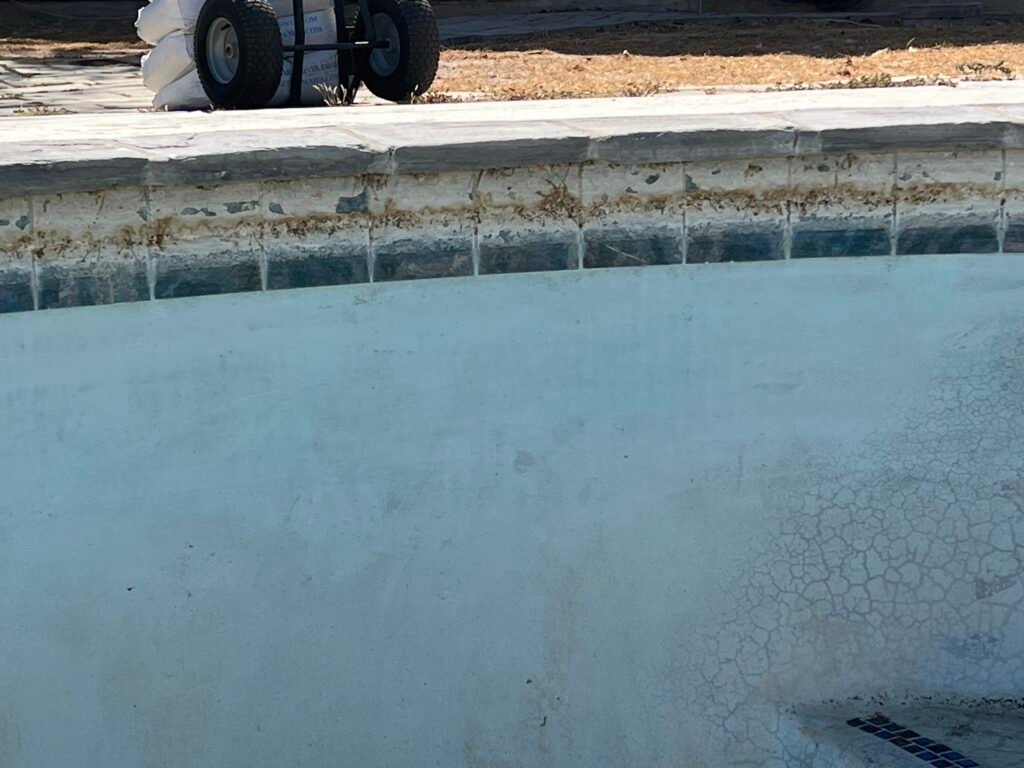
Calcium on pool tile is a High Desert problem – because hard water + heat + evaporation create the perfect conditions for scale. If you’re in Apple Valley, Victorville, Hesperia, or anywhere across the High Desert, that chalky waterline ring usually isn’t “dirt.” It’s typically calcium carbonate scale bonding to the tile surface.
This guide shows you what actually works to remove calcium from pool tile, what to avoid (so you don’t scratch tile or damage grout), and when it’s smarter to book a professional pool tile cleaning.
Quick Answer: What removes calcium from pool tile best?
Light scale: a pool-safe descaler + nylon brush.
Moderate scale: careful spot work (tile type matters) or safer mechanical removal techniques.
Heavy High Desert scale: professional tile cleaning (often media/bead blasting) is usually fastest and most consistent – without DIY trial-and-error. If you want it done right, start with Tile Cleaning or request a quote via Contact.
In This Guide
Why calcium builds up so fast in the High Desert
Here’s the core “why,” explained simply:
- Hard water contains dissolved calcium and minerals.
- Heat + evaporation concentrates those minerals right at the waterline.
- High pH / high alkalinity increases the chance calcium precipitates out of the water.
- Over time, calcium scale bonds to tile – especially textured tile and older grout.
Semantic triple (entity glue): High Desert hard water causes calcium carbonate scale to form at the pool waterline.
If your waterline scale keeps coming back quickly, the fix is usually a combination of proper removal + prevention. That’s why tile cleaning often pairs well with ongoing service like Pool Cleaning & Maintenance.
First: confirm it’s calcium (not algae or grime)
Before you scrub, confirm the problem. Calcium scale is usually:
- Chalky white / gray and feels rough or crusty
- Hard – doesn’t wipe off with a normal brush
- Often thickest near spa spillovers, return lines, or the sunniest side
Heads up: If it’s slimy or wipes off easily, it may be algae or oils. (Supporting post to publish next in this cluster: Waterline Calcium Ring: Is It Calcium or Algae? How to Tell -> https://reynoldspoolservice.com/waterline-calcium-ring-calcium-or-algae/)
How to remove calcium from pool tile (from safest to strongest)
Start with the least aggressive method and move up only if needed. Tile type matters – glass, porcelain, and natural stone don’t all tolerate the same approach.
Method 1: Nylon brush + gentle descaler (best first step)
For light scale, a pool-safe descaler plus a nylon tile brush can work – especially if you catch it early.
- Apply product per label
- Let it dwell briefly (don’t let it dry on the tile)
- Scrub with nylon (not metal)
- Rinse and re-check
Semantic triple: pool descaler breaks down mineral deposits on waterline tile.
Method 2: Pumice stone (ONLY when it’s safe)
Pumice can work on some tiles, but it can also scratch the wrong surface. If you use pumice:
- Use it only when tile is fully wet
- Test an inconspicuous corner first
- Avoid glass tile and many glossy finishes
- Use gentle pressure – let the stone do the work
Scratch-risk note: If your pool has premium tile, unknown finishes, or you’re not 100% sure, skip pumice and move toward safer methods – or just book a pro. Heavy scale + the wrong tool = permanent damage.
Supporting post to publish next in this cluster: Pumice Stone on Pool Tile: When It’s Safe and When It Scratches -> https://reynoldspoolservice.com/pumice-stone-on-pool-tile-safe-or-scratch/
Method 3: Spot treatment (acid-based) – effective, but risky if done wrong
Acid-based products can dissolve calcium quickly, but they can also etch grout, damage soft stone, and discolor surfaces if overused. This is where many DIY jobs go sideways.
- Do not free-pour acid on tile
- Do not let acid sit on grout lines
- Do not mix chemicals (ever)
- Do use proper PPE and ventilation
If you’re already considering harsh chemistry, it’s worth comparing this approach to professional options. You can also learn about deeper cleaning here: Acid Wash & Deep Cleaning.
Method 4 (best for heavy High Desert scale): Professional media/blast tile cleaning
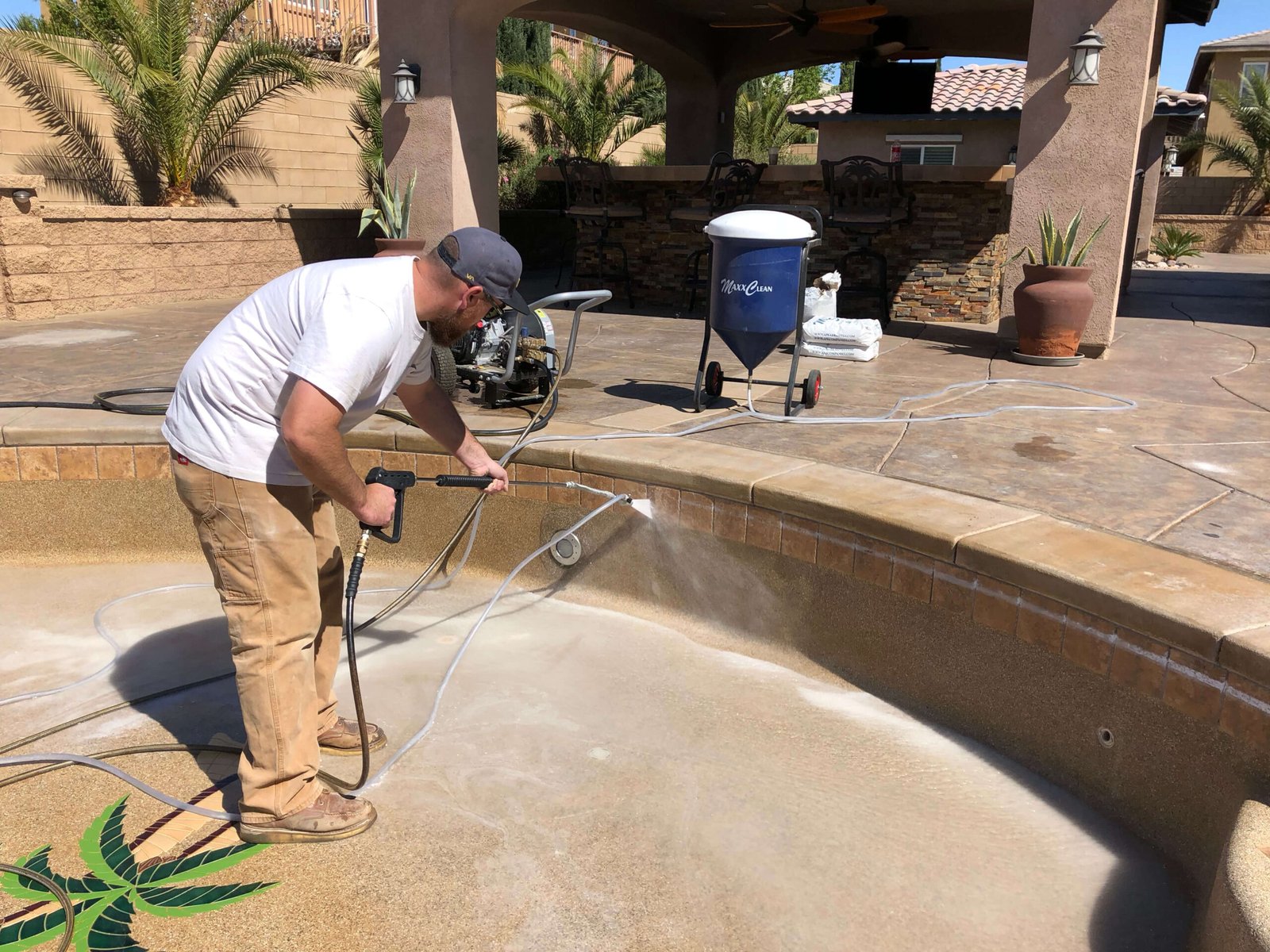
When hard water deposits are thick, the most consistent result usually comes from professional tile cleaning (often media/blasting methods appropriate for the surface). It removes scale while protecting the tile surface when done correctly, and it’s fast compared to repeated DIY scrubbing.
Want the waterline to look “new” again?
Book a professional tile cleaning that matches your tile type and scale thickness. We serve the High Desert, including Apple Valley, Victorville, and Hesperia.
What to avoid (common ways people damage tile and grout)
- Wire brushes (can scratch and leave metal marks)
- Over-aggressive pumice on the wrong tile type
- Repeated harsh acid use (can etch grout and stone)
- Power tools that chip edges or remove grout
- Letting chemicals dry on tile (staining/etching risk)
Supporting post to publish next in this cluster: Tile Cleaning vs Acid Wash: What’s the Difference and What’s Safer? -> https://reynoldspoolservice.com/tile-cleaning-vs-acid-wash/
How to keep the calcium ring from coming back fast
Removing calcium is step one. Slowing the return is where you win long-term. In High Desert conditions, these are the biggest levers:
- Maintain balanced water (especially pH and alkalinity) to reduce scale formation
- Brush the waterline weekly (light deposits remove easier than baked-on scale)
- Control evaporation and splash-out (spa spillovers often scale first)
- Use consistent circulation schedules so water doesn’t stagnate at the line
Two follow-ups that keep the cluster tight (and keep people moving toward booking):
- How Often Should You Clean Pool Tile in the High Desert? -> https://reynoldspoolservice.com/how-often-clean-pool-tile-high-desert/
- After Tile Cleaning: How to Keep the Waterline From Coming Back Fast -> https://reynoldspoolservice.com/after-tile-cleaning-keep-waterline-clean/
If you want the clean waterline to last longer with fewer headaches, consistent service helps: Pool Cleaning & Maintenance.
When to call a pro (the “don’t waste your weekend” checklist)
It’s time to call a professional if:
- The scale is thick, crusty, or layered
- You’ve tried brushing/descaler and it barely changed
- You have glass tile or expensive finishes and don’t want scratch risk
- The waterline looks stained (often needs professional restoration)
- You want it done fast with consistent results
High Desert tile cleaning (Apple Valley – Victorville – Hesperia)
We match the method to your tile type and scale thickness for the cleanest, safest result. Confirm your city here: Service Areas or visit High Desert.
If you’re also dealing with equipment issues, bundling visits can save time. See Pool Repairs and Pool Automation.
FAQs: Remove Calcium From Pool Tile (High Desert Hard Water)
What dissolves calcium deposits on pool tile?
Light deposits often respond to a pool-safe descaler and a nylon brush. Thicker calcium scale may need stronger methods, and heavy High Desert waterline buildup is often best handled by a professional tile cleaning service for a consistent finish and lower damage risk.
Can I use a pumice stone on pool tile?
Sometimes – but only on the right surfaces and only when fully wet. Pumice can scratch glass tile and some glossy finishes. If you’re unsure what tile you have, it’s safer to avoid pumice and choose a lower-risk method or a professional cleaning.
Why does calcium come back so fast in the High Desert?
Hard water brings more minerals into the pool, and High Desert heat increases evaporation – concentrating minerals at the waterline. If pH and alkalinity run high, calcium scale forms faster and bonds harder to tile.
When should I hire a professional for pool tile cleaning?
If the scale is thick or layered, DIY isn’t making progress, you have premium tile, or you want a fast “like-new” waterline without scratch risk – book a professional tile cleaning. Start here: Pool Tile Cleaning or Contact.
Authoritative Reference
For additional guidance, see Pool & Hot Tub Alliance fact sheet: water balance and calcium carbonate scaling. The source supports general principles; specific service procedures should still follow the equipment manufacturer and local requirements.