Pumice Stone on Pool Tile: When It’s Safe and When It Scratches
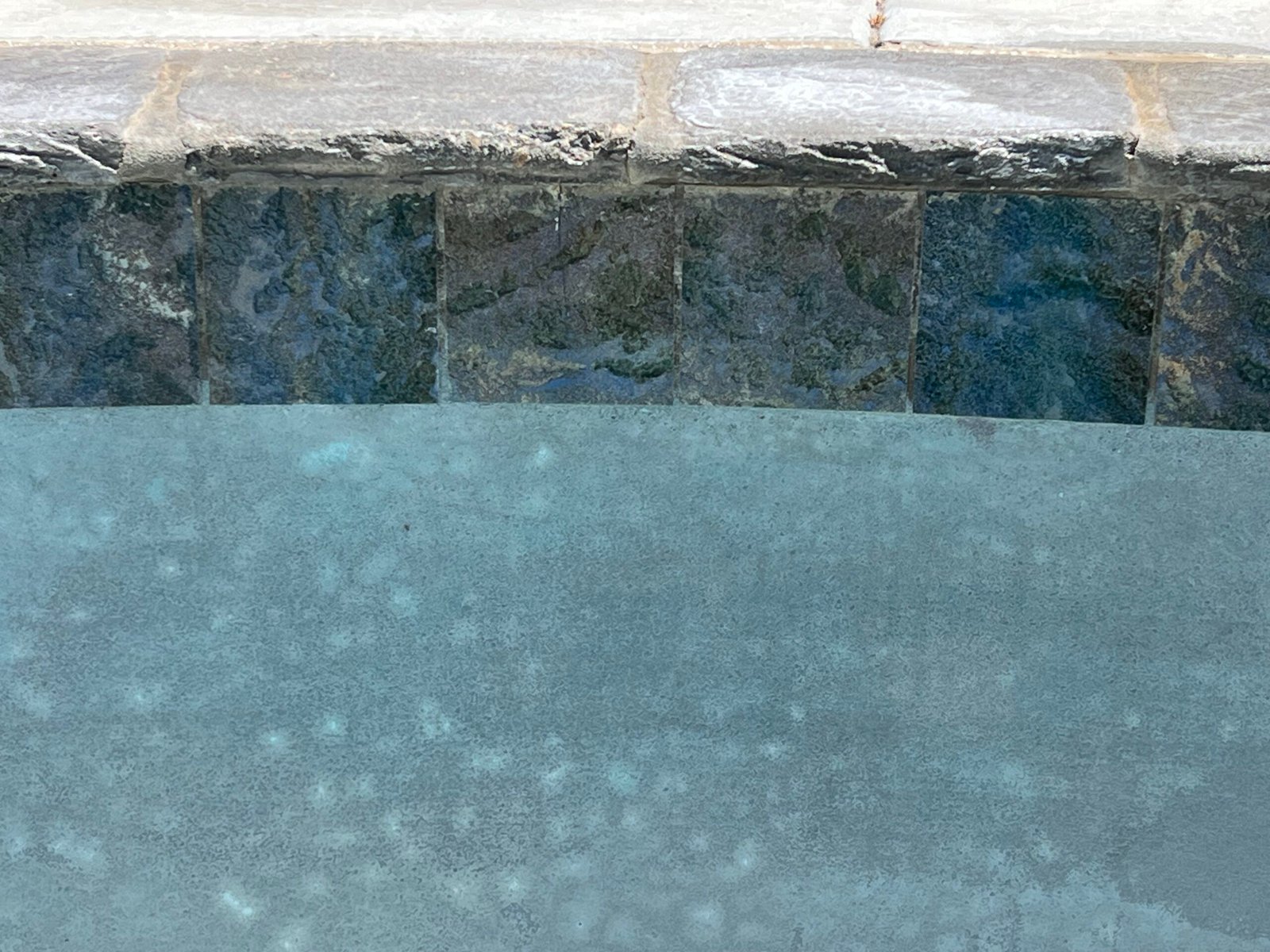
Pumice stones are one of the most common DIY tools people try for a white waterline ring. Sometimes they work well. Other times they leave scratches you can’t “un-do.” The difference is usually tile type, finish, and how you use it.
Problem → Cause → Solution: A rough waterline ring is often mineral scale; hard High Desert water and evaporation make it build fast; the right cleaning method removes it without damaging the tile surface.
If you want the safest results (especially on thicker scale), professional pool tile cleaning is designed to remove buildup evenly and avoid the “patchy clean spots” that can happen with DIY scrubbing.
Reynolds Pool Service helps pool owners in the High Desert keep their pools clean, safe, and easy to run. We handle tile cleaning, repairs, automation upgrades, and routine service in Apple Valley, Victorville, and Hesperia.
First: What a Pumice Stone Is Really Doing
A pumice stone is a mild abrasive. It removes scale by “shaving” it off. That’s why it can work on some pool tiles—and why it can also scratch certain finishes.
The main rule is simple: if the surface is softer or more delicate than the pumice, the pumice can leave marks.
When a Pumice Stone Is Usually Safe
In many backyard pools, a pumice stone can be a reasonable DIY option if you’re working on the right surface and you use the right technique.
- Properly glazed ceramic or porcelain waterline tile (most common standard tile)
- Grout lines (with care—gentle pressure)
- Concrete (not decorative/finished surfaces)
Still: always test first. Even “normal” tile can have decorative glazing, coatings, or wear that changes how it reacts.
When a Pumice Stone Is More Likely to Scratch (Stop Here)
These are the common “do not use pumice” situations we see in real backyards:
- Glass tile (risk of scratching or dulling)
- Polished stone (travertine, marble, limestone, some coping/ledger stone)
- Decorative or glossy specialty finishes (can haze or scuff)
- Fiberglass, vinyl, plastic parts (can scratch fast)
- Any tile you already know scratches easily (if a fingernail can mark it, don’t pumice it)
If any of the above fits your pool—or you’re not sure—skip the experiment. The safer path is to schedule professional tile cleaning and avoid permanent damage.
The Safe Way to Use a Pumice Stone (If You’re Going to Try)
If your tile is a good candidate, use this simple process. It reduces scratching risk and helps you get better results.
- Soak the pumice first
A dry pumice is more likely to scuff. Let it sit in water until fully wet. - Keep the tile wet the whole time
No “dry scrubbing.” If the waterline is exposed, use a spray bottle and keep it wet. - Use light pressure only
Let the stone do the work. Pressing hard is how most scratches happen. - Scrub in gentle circles
Avoid aggressive back-and-forth like you’re sanding wood. - Work small sections
Clean 1–2 feet, rinse, and check in full light. Don’t commit to the whole pool until you like the test area. - Stop if you see haze or scuffing
Don’t “push through.” That’s how small marks become big ones.
How to Tell If You’re Removing Scale—or Just Scratching Tile
This is the quick check:
- Scale removal looks like the tile is returning to its normal shine and color.
- Scratching/hazing looks dull, cloudy, or scuffed—especially when sunlight hits it at an angle.
If the ring is thick and crusty, DIY scrubbing can turn into hours of uneven results. That’s where professional cleaning tends to be worth it—because the goal is an even waterline, not “random clean patches.” If you want to understand pricing, see: Pool Tile Cleaning Cost in the High Desert (Real Price Factors).
High Desert Tip: Why DIY Pumice Jobs Feel Like They “Come Back Fast”
In the High Desert, hard water plus evaporation makes minerals want to stick right at the waterline. If you only spot-clean a few heavy areas, it can look like the ring “came back” when the rest of the line catches your eye again. Also, roughened surfaces can hold onto new buildup faster.
If you want a more stable plan—tile cleaning now, then simple prevention—take a look at our pool services and choose what fits your situation.
When It’s Smarter to Book Tile Cleaning Instead
DIY makes sense for small, light buildup on the right tile. But it’s smarter to book professional help when:
- the ring is thick around most of the pool
- you have glass tile or polished stone near the waterline
- you tried a test spot and saw haze/scuffs
- the scale is heavy on a raised spa or spillway
- you want it cleaned evenly so it looks right in full sun
Confirm we cover your area here: service areas. Then request a quote here: contact Reynolds Pool Service.
Quick Answers for High Desert Pool Owners
Can you use a pumice stone on pool tile?
Yes—on many properly glazed ceramic/porcelain tiles it can work, but you should always test a small hidden spot first and keep everything wet.
Will a pumice stone scratch pool tile?
It can. The risk is higher on glass tile, polished stone, and specialty glossy finishes—or if you scrub dry or press too hard.
How do you use a pumice stone to clean pool tile?
Soak the stone, keep the tile wet, use light pressure, scrub in gentle circles, and rinse/check often in bright light.
What should I use instead of a pumice stone if I have glass tile?
Skip pumice. Glass tile can scratch or dull; professional tile cleaning is the safest way to remove scale evenly without damaging the finish.
Why does my waterline ring keep coming back in the High Desert?
Hard fill water and fast evaporation concentrate minerals at the waterline, so scale builds quicker here—especially if chemistry swings or brushing is inconsistent.
When should I stop DIY and call a pro for the waterline ring?
Stop when the ring is thick, widespread, on delicate surfaces, or you see haze/scuffs on a test spot—then book professional tile cleaning so it’s done evenly.